
Bashir Ahmad has returned to the public space with a familiar tactic. He downplays numbers. He doubts documented suffering. He questions figures that speak to the depth of our country’s tragedy. He does all these with confidence. He frames his arguments as if he alone owns the truth. He does this even when survivors tell their stories. He does it when communities are emptied by violence. He does it when families flee from their homes.
He claims that Benue State cannot have hundreds of thousands of people in Internally Displaced Persons’ camps. He says that those who mention such figures are spreading falsehood. He tries to sound firm. He tries to sound concerned. But his concern hides something else. His concern hides a long record of selective outrage. His concern hides his defence of violence that targets minorities. His concern hides his attempts to question a tragedy that has consumed lives in the Middle Belt and beyond.
Bashir Ahmad has denied the reality of the systematic targeting of Christians in northern Nigeria. Yet he openly supports the death penalty for blasphemy, while conveniently ignoring the grim truth that this so-called penalty is rarely imposed by courts and almost always executed by mobs of self-appointed executioners who claim divine warrant for violence. The stoning and killing of Esther Deborah in Sokoto remains a stain on the national conscience, and on the consciences of those who, like him, chose to look away. When citizens are dragged to their deaths on the basis of untested accusations and religious hysteria, silence is not neutrality; it is complicity. To keep studious silence in the face of public killings is to grant moral cover to the killers, and to normalise barbarity as faith. History is unforgiving to those who speak loudly for punishment but fall mute when injustice spills into the streets. He famously described one of the leaders of Hamas thus: “He was born, lived and died as a leader”. This is why his recent comment on the figures from Benue State rings hollow. His comment opposes verified data. His comment ignores testimonies of aid workers. His comment ignores the truth. He acts as if Benue State stands alone. He pretends that displacement in Nigeria is small. He wants the country to deny a crisis that has been with us for more than a decade.
Facts speak louder. We have hundreds of thousands of Nigerians in Cameroon, Niger and Chad. We have some in Sudan, where conflict forced them to run a second time. In the Minawao camp in the far north region of Cameroon, more than four hundred and fifty thousand Nigerians live in long term exile. This number appears in reports from aid agencies. Regional officials repeat it. The figure reflects a real human burden. It is not fiction. Niger holds more than one hundred and fifty thousand people from Borno. The Governor of Borno, Professor Babagana Zulum, confirmed this figure in public. He visited many camps. He spoke with men, women and children. He heard stories of villages burnt to ashes. He heard stories of hunger. He heard stories of families torn apart. He did not hide behind false arguments. He did not question the humanity of the displaced. Chad also hosts several camps filled with people who ran from the Lake Chad region. Some came from Borno. Some came from Yobe. Some came from Adamawa. Violence uprooted them. They crossed borders to stay alive. Their stories echo the stories of those in Benue State. They speak of attacks. They speak of raids. They speak of fear. They speak of the long silence of the authorities who should protect them. That silence is not incidental; it is consequential. When those entrusted with the monopoly of force and the duty of protection retreat into muteness, they leave citizens exposed to the tyranny of the mob. Authority that refuses to speak when blood is shed forfeits its moral legitimacy. In such moments, silence becomes a signal to victims that they are alone and to perpetrators that they may proceed without consequence. A state that withholds its voice in the face of public violence ultimately teaches its citizens that justice is negotiable and life expendable.
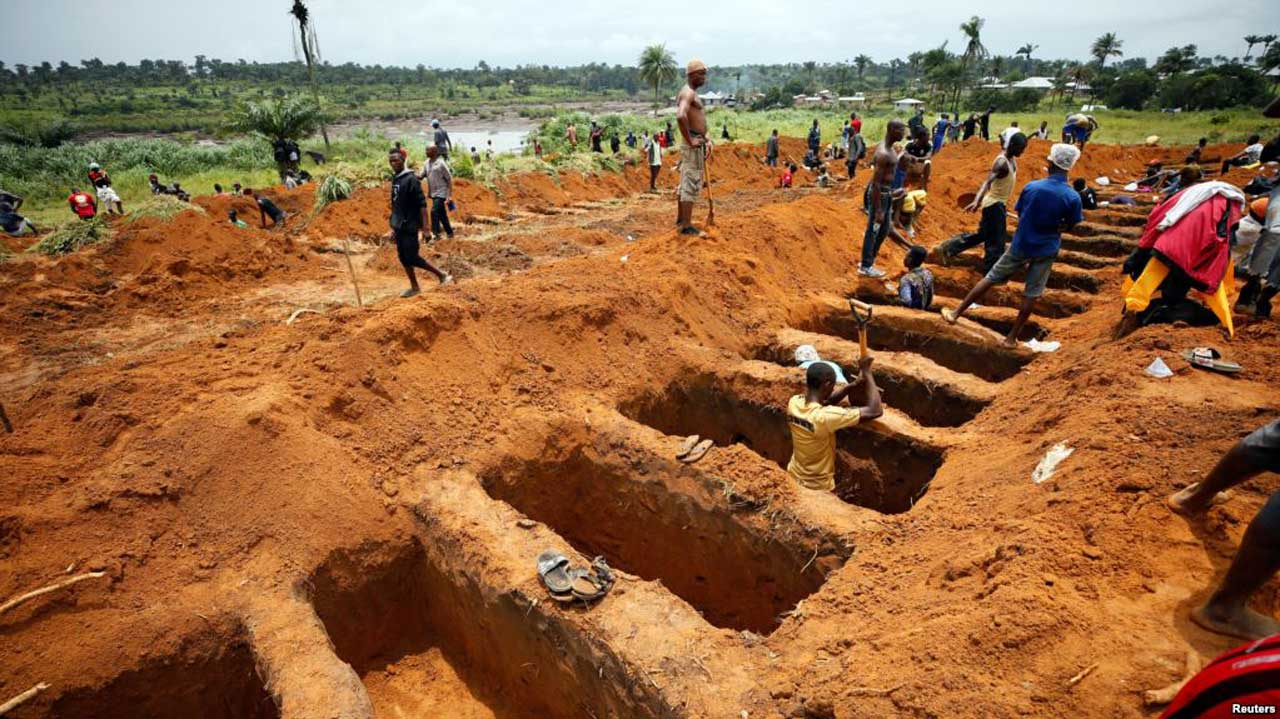
When victims speak of Benue State, they speak of communities that have faced unending attacks. They speak of farmers who watched their fields destroyed. They speak of families who ran to schools, churches and open shelters. They speak of people who lost their homes. They speak of many who live in temporary camps that might likely become permanent camps. Their numbers are large. Their needs are urgent. No one who cares about truth will doubt their presence.
To understand this crisis, I turn to scholars of displacement. They study the human catastrophe of refugees and internally displaced persons. Their works show the depths of trauma. They show the costs of silence. They show the consequences of denial.
Alexander Betts offers a clear explanation of how states respond to forced migration. He writes about states that downplay numbers when they want to escape blame. He notes how governments manipulate statistics for political comfort. He explains that forced migration is not only a humanitarian event. He says it is also a political event. His research shows that denial blocks meaningful policy. A state that refuses to accept the scale of a crisis cannot resolve that crisis. Betts teaches us that public figures who question verified data harm the displaced. His work speaks directly to the conduct of Bashir Ahmad. When he doubts the figures from Benue State or from the region, he plays a political game with human sufferings. Hannah Arendt deepens this understanding. She described the experience of stateless people in Europe. She wrote about people who fled persecution and had no home. She said they lost the right to have rights. She explained that displacement strips a person of identity. She stressed that forced migration is not only the loss of a house. It is the loss of protection. It is the loss of belonging. It is the loss of dignity. Her ideas apply to the Nigerian crisis. Many displaced Nigerians feel abandoned. They are citizens but they feel stateless. They queue for food. They sleep in crowded halls. They raise children in fear. Arendt helps us see why denial adds a second injury. It reduces their humanity in the eyes of the public. Didier Fassin adds a moral dimension. He studies how societies value some lives more than others. He writes about governments that hide the suffering of certain groups. He exposes the inequality in humanitarian attention. He argues that displacement must be understood through the lived experience of survivors. He warns about the danger of public figures who question human suffering. He explains that denial is not neutral. Denial promotes cruelty. Denial protects those who cause harm. His work exposes the behaviours of people like Bashir Ahmad. When he disputes figures from Benue State or from refugee camps in Cameroon, Niger and Chad, he joins a tradition of silencing. This silence deepens the pain of victims.
The crisis in Nigeria fits into the findings of these scholars. Violence in the north east forced millions to flee. Many never returned. Some died in the bush. Some died in transit. Some perished in camps. Some crossed borders on foot. Aid groups recorded their stories. Governments confirmed many of these accounts. Independent monitors backed the figures. These facts do not depend on the opinions of political aides. The Middle Belt has faced waves of attacks for two decades. Entire villages emptied. Families fled to towns. Farmers abandoned fields. Camps sprang up in Benue State. Camps grew in Nasarawa. Camps expanded in Plateau. These camps did not appear by chance. They came from fear. They came from pain. They came from the failure of the state. People like Bashir Ahmad want to erase this struggle. They want to shift attention away from victims. They want to make light of their numbers. They want to call verified figures lies. They want the country to believe that nothing serious happened. They want to weaken solidarity for the displaced.
When a man who denied Christian genocide tells you that the figures from Benue State are false, you must ask who benefits. Denial benefits perpetrators. Denial weakens public outrage. Denial hides state failure. Denial protects those who looked away while communities burned. Today, our country faces one of the largest displacement crises in Africa. Millions have moved from their homes. Millions live in camps across the region. They sleep in overcrowded halls. They queue long hours for food. They struggle with poor hygiene. They lose children to disease. They lose dignity. They lose hope. A former presidential aide should know these facts. He worked in government. He had access to data. He had access to briefings. He had access to reports. He chose denial. He chose to fight the truth. He chose to mock those who speak for the displaced. He chose to cast doubt on the suffering of people he never visited.
Our country must resist this manipulation. We must confront the facts. We must honour the truth. We must defend the voices of the displaced. We must reject the politics of falsehood. We must expose those who use ethnic or religious bias to question human suffering. We must remind them that displacement is a wound that touches all. The stories of refugees in Cameroon, Niger and Chad reveal a painful truth. Many Nigerians no longer trust their country to protect them. Many crossed borders because home offered no safety. Many raised their children in foreign lands. Many watched their dreams fade in camps. These stories must guide our sense of justice. Benue is not alone. Our country is not alone. The region bears the weights of our failures. The silence of authorities deepens the pain. The falsehood of politicians blinds the public. The denial of men like Bashir Ahmad muddies the waters. It reduces empathy. It weakens the moral force needed for change. Our country must speak with clarity. The numbers of the displaced are real. They reflect a decade of relentless violence. They reflect the weakness of the state. They reflect the suffering of communities across the region. They reflect the truth.
No false claim can bury that truth. Take note, Bashir Ahmad.