
HomeOpinionsRimamnde Shawulu KwewumNigeria 2027: Muslim-Muslim Ticket...

Nigeria 2027: Muslim-Muslim Ticket Debate Returns as Religion Re-Enters Presidential Politics

As Nigeria moves towards the 2027 presidential election, the controversial Muslim-Muslim ticket has returned to the centre of national debate, raising questions about religion, political representation, security and the future of Africa’s largest democracy.

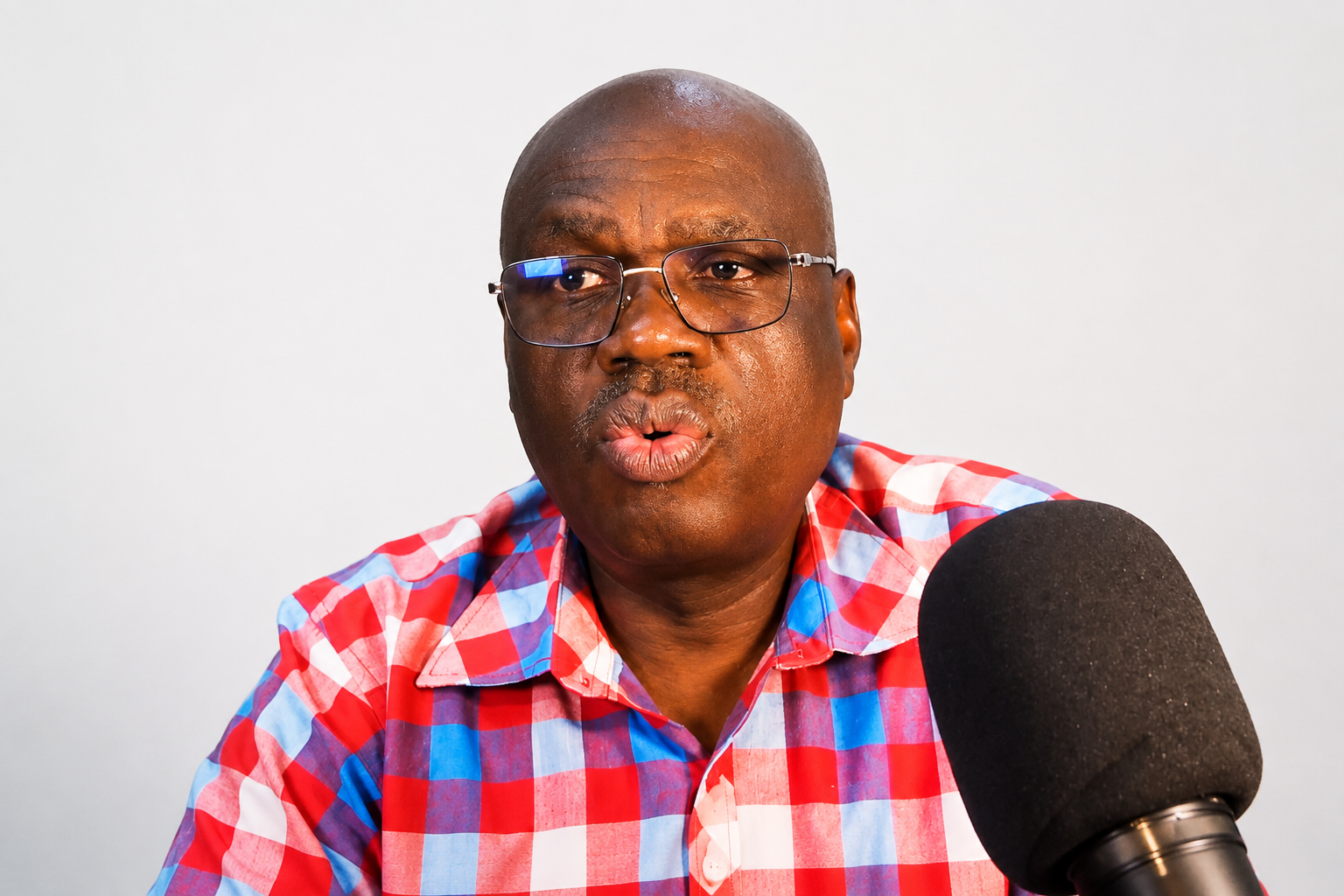
In a new episode of The Other Side, hosted by Rimamnde Shawulu, the programme examines the renewed controversy following comments by prominent Islamic cleric Sheikh Sani Yahaya Jingir, who backed the continuation of a Muslim-Muslim presidential ticket and urged Muslims to mobilise politically.

The intervention raises a fundamental question: Should Nigeria’s 2027 election become a contest over which religion has greater numerical strength—or should voters judge candidates primarily by competence, security, justice and performance?

The programme examines what the Nigerian Constitution says about religion and presidential tickets. While the Constitution prohibits the adoption of a state religion and protects citizens against religious discrimination, it does not require political parties to pair a Muslim presidential candidate with a Christian—or vice versa. A same-faith ticket is therefore not, by itself, unconstitutional.

But Nigeria’s history makes the political question considerably more complicated.

The episode revisits MKO Abiola and Babagana Kingibe’s Muslim-Muslim ticket in the June 12, 1993 election and asks why that combination attracted substantial support across regional and religious boundaries.

It then contrasts 1993 with contemporary Nigeria: the Sharia controversies, Boko Haram and ISWAP insurgencies, attacks on communities, banditry, displacement and growing distrust between sections of the population.

Shawulu also interrogates a politically powerful claim: Are Muslims actually more numerous than Christians in Nigeria? Nigeria’s modern censuses have not provided a definitive religious headcount, while available surveys and demographic estimates produce differing results.

The programme argues that the more consequential test of the Tinubu-Shettima administration should ultimately be governance: Is Nigeria safer? Are appointments fair? Are institutions impartial? Is the economy delivering opportunity? Can citizens trust the state regardless of their religion?

Watch The Other Side with Rimamnde Shawulu for the full analysis.

What should determine Nigeria’s choice in 2027—faith, representation, competence or performance?

🔔 Subscribe to The Other Side for weekly evidence-based analysis of Nigeria’s politics, governance, security and democracy.

 

- Books by Rimamnde Shawulu -

spot_img

Most Popular

0 0 votes
Article Rating
Subscribe
Notify of
guest

0 Comments
Oldest
Newest Most Voted

More from Author

Nigeria 2027: 18 Presidential Candidates, but the Real Contest Is for the States and Votes

Nigeria 2027: 18 Presidential Candidates, but the Real Contest Is for...

Nigeria 2027: Can Atiku, Obi & Makinde Unite? Inside the G100 Opposition Talks

Can Nigeria's opposition unite behind one presidential candidate against Bola Tinubu...

Boko Haram vs ISWAP Explained: Ideology, Leadership and the Battle for Lake Chad

Boko Haram and ISWAP are not the same organisation—and they have...

- Books by Rimamnde Shawulu -

spot_img

Read Now

Nigeria 2027: 18 Presidential Candidates, but the Real Contest Is for the States and Votes

Nigeria 2027: 18 Presidential Candidates, but the Real Contest Is for the States and Votes Nigeria's 2027 presidential contest has entered a more defined phase following the publication of INEC's final candidate list. Eighteen candidates are in the presidential field, including President Bola Tinubu, Atiku Abubakar, Peter Obi and...

What Is the Middle Belt? The Nigerian Region 60 Million People Call Home — and No Official Map Will Name

A new documentary series from Ndeya Live opens with the question Nigeria has avoided for over a century: what do you call the land between the north and the south? By Rimamnde Shawulu   |   The Middle Belt Files, Episode 1 There is a region of Nigeria that does not...

Nigeria 2027: Can Atiku, Obi & Makinde Unite? Inside the G100 Opposition Talks

Can Nigeria's opposition unite behind one presidential candidate against Bola Tinubu in 2027—or will competing ambitions and policy differences keep Atiku Abubakar, Peter Obi, Seyi Makinde and other challengers apart? #Nigeria2027Election#G100Coalition#NigeriaElectionWatch#ElectoralGeography#OppositionPolitics#RoadTo2027 In this edition of The 2027 Race, hosted by Rimamnde Shawulu Kwewum, we examine the G100 talks involving...

Boko Haram vs ISWAP Explained: Ideology, Leadership and the Battle for Lake Chad

Boko Haram and ISWAP are not the same organisation—and they have operated as distinct, frequently hostile insurgent factions since their violent split in 2016. Understanding the difference between Jama’atu Ahlis Sunna Lidda’awati wal-Jihad, or JAS, commonly associated with the Boko Haram name, and Islamic State West Africa Province,...

The Hidden Power Battle in Nigeria’s 2027 Election: APC, Atiku, Obi and the Voters Who Decide

The 2027 general elections are not two years away. They are already happening — in registration offices, party caucuses, and security briefings that never make the front page. In Episode 01 of The 2027 Race, Ndeya Live tracks: → The APC's northern base problem — and what...

Nigeria Faces New Jihadist Threat as Lakurawa and JNIM Expand Across the North-West

On August 21, 2026, Lakurawa-linked fighters stormed mosques in Borgu, Niger State during Friday prayers — abducting more than 60 worshippers and posting a video of the captives online. Who are the Lukarawa, the Jihadists gaining grounds in Nigeria   Most Nigerians still don't know who Lakurawa is. This video changes that. This video...

Plateau Killings, Niger Mosque Abductions and Kaduna Rescue Expose Nigeria’s Security Gaps

Nigeria’s security picture this week is defined by mass killings, mass abductions, rapid-response rescues and renewed pressure along the country’s northern border corridors. Nigeria: In Plateau State, at least 25 people were reported killed in an overnight attack in the Mangu area, with women and children among the...

₦54 Billion for Religion: When Faith Enters Nigeria’s Federal Budget

Nigeria’s relationship with religion is complicated enough without introducing billions of naira in public money. Yet an examination of detailed projects in the 2023 and 2024 federal appropriation schedules raises precisely that question. Our review identified approximately ₦54.10 billion in provisions connected directly or indirectly with religious institutions,...

Can Charms Stop Bandits’ Bullets?

As banditry, kidnapping and insurgency spread across Nigeria, some traumatised communities are turning to charms, ritual fortification, magic and ancestral spirits for protection. This response deserves neither ridicule nor romanticisation. It should be understood as evidence of fear—and of the widening failure of the state to protect...

2,543 Killed, 1,809 Abducted Across Nigeria in Six Months — Stefanos Foundation

Mark Lipdo warns that worsening violence, mass displacement and disputes over the causes of attacks are undermining Nigeria’s security response The Stefanos Foundation says it documented the deaths of 2,543 people and the abduction of 1,809 others across Nigeria during the first six months of 2026, highlighting the...

Europe Has Not Closed Its Doors—It Has Changed the Rules, By Rimamnde Shawulu

Few subjects generate as much speculation among Nigerians today as migration to Europe. Social media has been flooded with claims that Europe has closed its borders, abolished asylum and intends to deport every irregular migrant immediately. Such narratives have spread rapidly, creating confusion among thousands of young...

Democracy Under Pressure? Chika Adamu Raises Tough Questions on Nigeria’s Political Future

As Nigeria inches closer to the 2027 general elections, concerns over the health of its democracy, the credibility of political institutions, and the worsening security situation continue to dominate national discourse. Those issues took centre stage on Majalisah, hosted by Rimamnde Shawulu, in a wide-ranging interview with...