
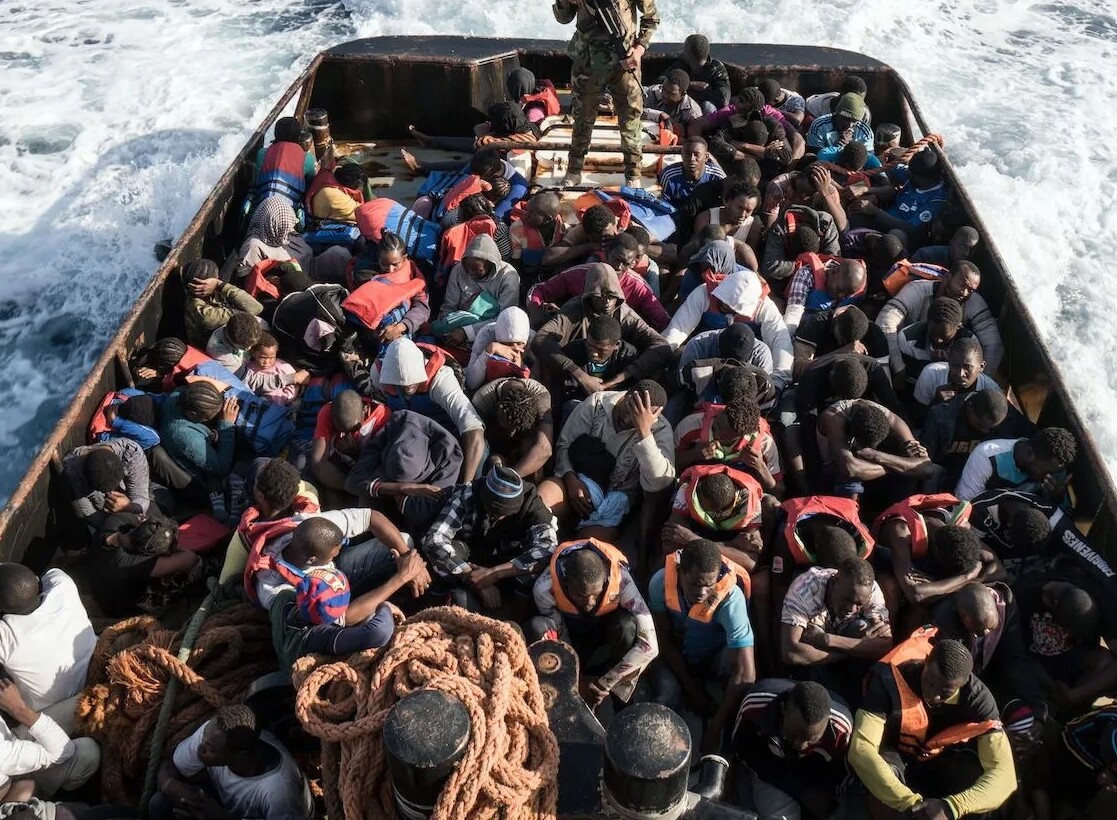
Few subjects generate as much speculation among Nigerians today as migration to Europe. Social media has been flooded with claims that Europe has closed its borders, abolished asylum and intends to deport every irregular migrant immediately. Such narratives have spread rapidly, creating confusion among thousands of young Africans planning to study, work or seek opportunities abroad.
The reality is considerably more nuanced.
The European Union has indeed undertaken one of the most significant reforms of its migration system in decades. However, these reforms are not designed to eliminate migration altogether. Instead, they seek to replace a fragmented and often overwhelmed asylum system with one that is faster, more coordinated and more enforceable.
The lessons for Nigeria are profound.
Europe’s experience since the 2015 migration crisis exposed weaknesses in the previous Dublin III framework, where responsibility for asylum claims largely rested with the country of first entry. Nations bordering the Mediterranean argued that they carried an unfair burden, while northern European countries complained that migrants frequently moved onward despite existing regulations.
The new Asylum and Migration Management Regulation seeks to address these structural weaknesses through mandatory screening, stronger biometric registration, improved responsibility-sharing among EU member states and faster return procedures for individuals whose asylum claims are ultimately rejected.
Contrary to widespread assumptions, legal migration remains an important part of Europe’s economic strategy. Many European countries continue to face demographic decline and severe labour shortages in healthcare, engineering, information technology, agriculture and construction. Qualified professionals remain in demand, while universities continue attracting international students from across the world.
The distinction Europe is increasingly drawing is not between Europeans and foreigners, but between legal and irregular migration.
For Nigerians, this distinction carries important implications. Those who invest in education, acquire recognised professional qualifications and comply with immigration requirements continue to possess viable opportunities for legal migration. Those who rely on dangerous irregular routes through the Sahara Desert, Libya and the Mediterranean face increasingly stringent border procedures and greater uncertainty.
This is perhaps the most important lesson for young Africans contemplating migration today.
Too many families have sold homes, exhausted savings and borrowed heavily in pursuit of uncertain journeys organised by criminal trafficking networks. Some migrants never reach Europe. Others become victims of exploitation, forced labour, trafficking or prolonged detention. Even among those who succeed in arriving, legal status remains uncertain if they cannot establish a valid basis for protection or residence.
Migration itself is unlikely to diminish. Economic opportunity, education, conflict and demographic change will continue driving human mobility across continents. What is changing is the manner in which governments seek to regulate these movements.
Europe is not building an impenetrable fortress. Rather, it is constructing a migration system that places greater emphasis on identity verification, documented skills, legal entry pathways and international cooperation.
For Nigeria, this presents both challenges and opportunities. The country must invest more heavily in education, vocational training, identity management and bilateral labour agreements that enable Nigerians to compete successfully within legal migration frameworks.
The future will not belong to those who take the greatest risks. It will belong to those who possess the skills, qualifications and legal pathways that increasingly define international mobility in the twenty-first century.
Europe has not closed its doors. It has simply changed the rules of entry. Understanding those rules may be one of the most valuable investments any prospective migrant can make today.