
Every week, Nigeria produces a new controversy. But some controversies strike at the very heart of constitutional democracy. In this episode of The Other Side, Rimamnde Shawulu Kwewum examines a developing crisis that raises one of the most serious questions Nigeria has faced in recent years: Were Nigeria’s new tax laws altered after being passed by the National Assembly?
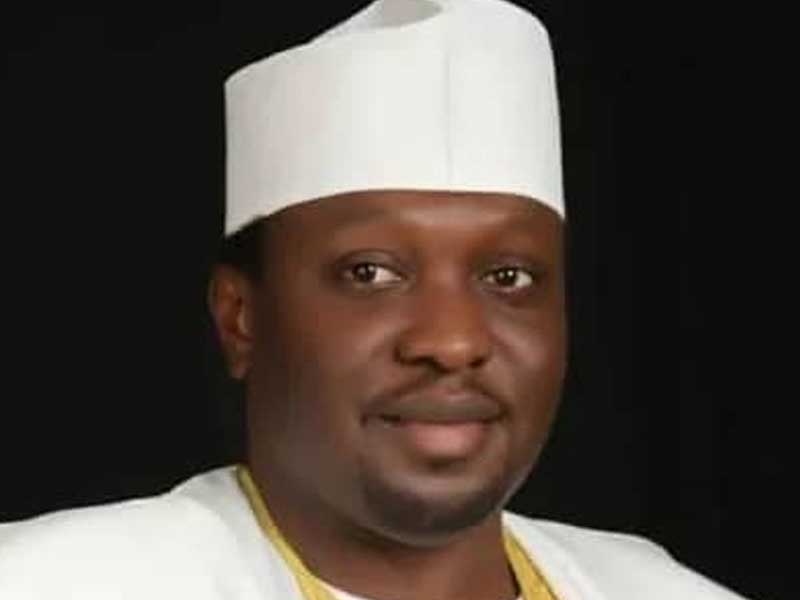
On December 17, 2025, the House of Representatives was thrown into turmoil when a lawmaker from Sokoto State, Honourable Abdulsamad Dasuki, raised a constitutional alarm. His allegation was stark and unsettling. According to him, the versions of Nigeria’s newly enacted tax laws that were gazetted by the federal government are not identical to the versions debated, voted on, and passed by Parliament. These are not alleged typographical corrections. They are claims of insertions, deletions, and substantive modifications that may have altered legislative intent.
This episode of The Other Side, hosted by Rimamnde Shawulu Kwewum, unpacks what this means for Nigeria’s governance, rule of law, and democratic order.
The tax reforms in question are not minor regulations. They form a comprehensive overhaul of Nigeria’s fiscal architecture and are scheduled to take effect on January 1, 2026. The package includes the Nigerian Tax Act 2025, the Nigerian Tax Administration Act 2025, the Nigerian Revenue Service Establishment Act 2025, and the Joint Revenue Board Establishment Act. Together, they repeal long-standing legacy laws and replace the Federal Inland Revenue Service with a new Nigerian Revenue Service.
At the centre of the controversy is the scope of power granted to this new revenue authority. As gazetted, the Nigerian Revenue Service appears positioned to collect taxes for all tiers of government—federal, state, and local. This represents a historic centralisation of fiscal authority in a country that has spent decades debating fiscal federalism and devolution of powers.
Lawmakers argue that some of these powers were never approved by Parliament.
According to the allegations raised on the floor of the House, the gazetted versions introduce coercive enforcement mechanisms, including arrest powers, garnishment without court orders, compulsory foreign currency conversions, and security deposits as prerequisites for tax appeals. Provisions on oversight, accountability, and reporting—adopted by Parliament—are said to be missing.
In this episode, Rimamnde Shawulu Kwewum explains why even so-called “editorial corrections” are constitutionally sensitive. In law, a single word, punctuation mark, or clause can radically alter meaning. Nigeria’s own history proves this. The disputed 1979 presidential election turned on the interpretation of the words “and” and “or” at the Supreme Court. If language can determine who becomes president, it can certainly determine how taxes are collected and powers exercised.
Under Nigeria’s Constitution, neither the presidency, legislative clerks, nor any executive agency has the authority to amend a bill after it has been passed by both chambers of the National Assembly. Their role is limited to assent or veto. Any change—minor or substantive—must return to Parliament for debate and approval.
If the allegations are proven, the implications are profound. Any law gazetted in a form different from what Parliament passed may be null and void. Even more consequential is the possibility that the president may have assented to a version that Parliament never approved. In constitutional terms, that would amount to a veto, not an enactment.
This episode situates Nigeria’s tax controversy within a broader global context. Around the world, disputes over executive overreach, legislative authority, and the integrity of democratic processes are intensifying. Nigeria’s case is not just about tax collection. It is about whether constitutional boundaries still matter, whether Parliament’s authority can be quietly overridden, and whether citizens can trust the legal foundations governing their lives.
The Other Side does not tell viewers what to think. It asks the hard questions others avoid. Can any authority outside Parliament amend laws passed on the floor of the chambers? What happens if implementation proceeds on a legally defective foundation? And what does this episode reveal about the state of Nigeria’s democracy?
This conversation is essential for lawmakers, lawyers, policy analysts, business owners, and citizens alike.
Share your views in the comments. Do you believe the new tax laws can legally take effect in 2026 under these circumstances? And what should the National Assembly do next?
Subscribe for weekly insights on Nigeria’s politics and democracy.