As Nigeria moves towards the 2027 presidential election, the controversial Muslim-Muslim ticket has returned to the centre of national debate, raising questions about religion, political representation, security and the future of Africa’s largest democracy.
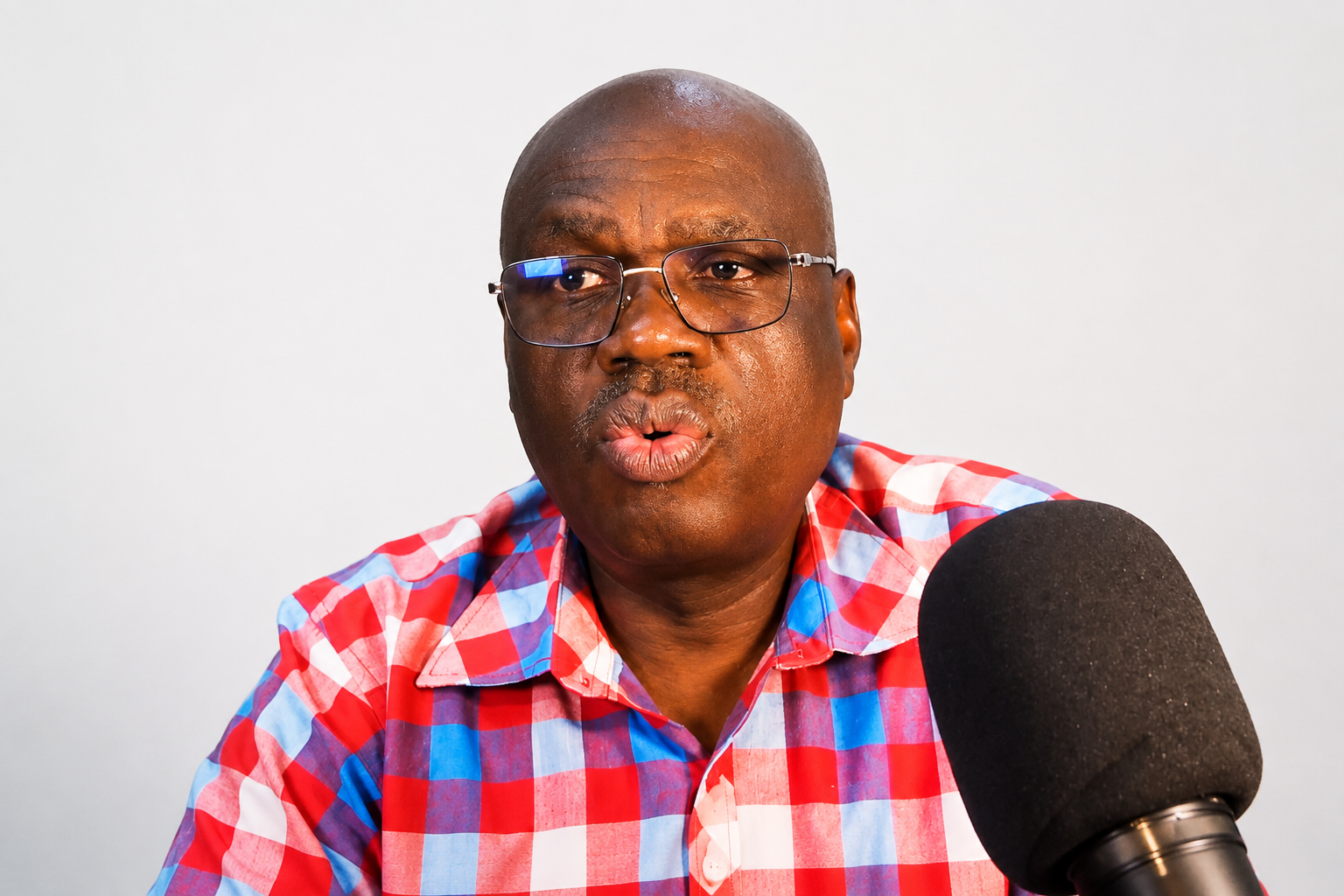
In a new episode of The Other Side, hosted by Rimamnde Shawulu, the programme examines the renewed controversy following comments by prominent Islamic cleric Sheikh Sani Yahaya Jingir, who backed the continuation of a Muslim-Muslim presidential ticket and urged Muslims to mobilise politically.
The intervention raises a fundamental question: Should Nigeria’s 2027 election become a contest over which religion has greater numerical strength—or should voters judge candidates primarily by competence, security, justice and performance?
The programme examines what the Nigerian Constitution says about religion and presidential tickets. While the Constitution prohibits the adoption of a state religion and protects citizens against religious discrimination, it does not require political parties to pair a Muslim presidential candidate with a Christian—or vice versa. A same-faith ticket is therefore not, by itself, unconstitutional.
But Nigeria’s history makes the political question considerably more complicated.
The episode revisits MKO Abiola and Babagana Kingibe’s Muslim-Muslim ticket in the June 12, 1993 election and asks why that combination attracted substantial support across regional and religious boundaries.
It then contrasts 1993 with contemporary Nigeria: the Sharia controversies, Boko Haram and ISWAP insurgencies, attacks on communities, banditry, displacement and growing distrust between sections of the population.
Shawulu also interrogates a politically powerful claim: Are Muslims actually more numerous than Christians in Nigeria? Nigeria’s modern censuses have not provided a definitive religious headcount, while available surveys and demographic estimates produce differing results.
The programme argues that the more consequential test of the Tinubu-Shettima administration should ultimately be governance: Is Nigeria safer? Are appointments fair? Are institutions impartial? Is the economy delivering opportunity? Can citizens trust the state regardless of their religion?
Watch The Other Side with Rimamnde Shawulu for the full analysis.
What should determine Nigeria’s choice in 2027—faith, representation, competence or performance?
🔔 Subscribe to The Other Side for weekly evidence-based analysis of Nigeria’s politics, governance, security and democracy.