
HomeOpinionsRimamnde Shawulu KwewumEurope Has Not Closed...

Europe Has Not Closed Its Doors—It Has Changed the Rules, By Rimamnde Shawulu

Few subjects generate as much speculation among Nigerians today as migration to Europe. Social media has been flooded with claims that Europe has closed its borders, abolished asylum and intends to deport every irregular migrant immediately. Such narratives have spread rapidly, creating confusion among thousands of young Africans planning to study, work or seek opportunities abroad.

The reality is considerably more nuanced.

The European Union has indeed undertaken one of the most significant reforms of its migration system in decades. However, these reforms are not designed to eliminate migration altogether. Instead, they seek to replace a fragmented and often overwhelmed asylum system with one that is faster, more coordinated and more enforceable.

The lessons for Nigeria are profound.

Europe’s experience since the 2015 migration crisis exposed weaknesses in the previous Dublin III framework, where responsibility for asylum claims largely rested with the country of first entry. Nations bordering the Mediterranean argued that they carried an unfair burden, while northern European countries complained that migrants frequently moved onward despite existing regulations.

The new Asylum and Migration Management Regulation seeks to address these structural weaknesses through mandatory screening, stronger biometric registration, improved responsibility-sharing among EU member states and faster return procedures for individuals whose asylum claims are ultimately rejected.

Contrary to widespread assumptions, legal migration remains an important part of Europe’s economic strategy. Many European countries continue to face demographic decline and severe labour shortages in healthcare, engineering, information technology, agriculture and construction. Qualified professionals remain in demand, while universities continue attracting international students from across the world.

The distinction Europe is increasingly drawing is not between Europeans and foreigners, but between legal and irregular migration.

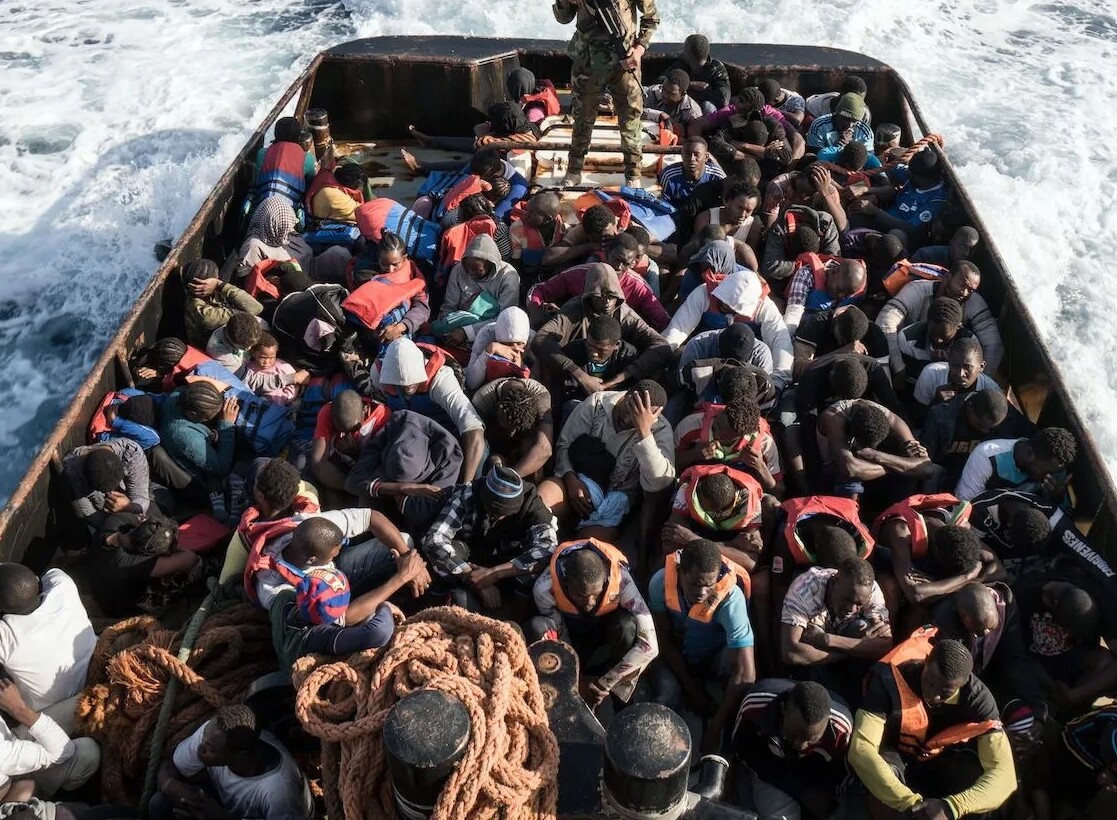
For Nigerians, this distinction carries important implications. Those who invest in education, acquire recognised professional qualifications and comply with immigration requirements continue to possess viable opportunities for legal migration. Those who rely on dangerous irregular routes through the Sahara Desert, Libya and the Mediterranean face increasingly stringent border procedures and greater uncertainty.

This is perhaps the most important lesson for young Africans contemplating migration today.

Too many families have sold homes, exhausted savings and borrowed heavily in pursuit of uncertain journeys organised by criminal trafficking networks. Some migrants never reach Europe. Others become victims of exploitation, forced labour, trafficking or prolonged detention. Even among those who succeed in arriving, legal status remains uncertain if they cannot establish a valid basis for protection or residence.

Migration itself is unlikely to diminish. Economic opportunity, education, conflict and demographic change will continue driving human mobility across continents. What is changing is the manner in which governments seek to regulate these movements.

Europe is not building an impenetrable fortress. Rather, it is constructing a migration system that places greater emphasis on identity verification, documented skills, legal entry pathways and international cooperation.

For Nigeria, this presents both challenges and opportunities. The country must invest more heavily in education, vocational training, identity management and bilateral labour agreements that enable Nigerians to compete successfully within legal migration frameworks.

The future will not belong to those who take the greatest risks. It will belong to those who possess the skills, qualifications and legal pathways that increasingly define international mobility in the twenty-first century.

Europe has not closed its doors. It has simply changed the rules of entry. Understanding those rules may be one of the most valuable investments any prospective migrant can make today.


- Books by Rimamnde Shawulu -

spot_img

Most Popular

0 0 votes
Article Rating
Subscribe
Notify of
guest

0 Comments
Oldest
Newest Most Voted

More from Author

- Books by Rimamnde Shawulu -

spot_img

Read Now

Nigeria 2027 Election: Supreme Court, Atiku vs Tinubu and the Battle for North Central Votes

Nigeria’s 2027 presidential race is moving from speculation to hard political tests: court rulings, candidate eligibility battles, opposition fragmentation, regional vote strategy and the practical machinery required to win a nationwide election. #Nigeria2027#The2027Race#AtikuVsTinubu#ElectoralAct2026#NorthCentralVotes#NigeriaDecides2027 In this edition of The 2027 Race, Rimamnde Shawulu Kwewum examines the developments reshaping the...

Plateau Attacks · Sokoto Bandits · Lakurawa Crisis · Katsina Ambush · Sahel Cross-Border Threat

Your weekly Nigeria and Sahel security briefing — 13 events, fully sourced, fully analysed. This week: nine people killed across Plateau State. Bandits abduct 28 in Sokoto — 16 still missing. A military intelligence ambush kills 18 bandits in Katsina. Security forces rescue 94+ kidnap victims in...

Causes of the Middle Belt Conflicts Nobody Tells You Middle Belt Files epi 3.

How does a cow walking into a farm turn into 50,000 deaths? In Episode 03 of The Middle Belt Files, we go underneath Nigeria's deadliest ongoing conflict to ask the questions most people aren't asking. Why did this crisis escalate so sharply after 2015? What does Lake Chad's...

Nigerian Military rescues 655 kidnap victims in nationwide operations as Senate prepares for high-level security summit

ABUJA, NIGERIA — The Armed Forces of Nigeria rescued 655 kidnapping victims and engaged in 367 operational encounters across various regional theatres during September, the Defence Headquarters disclosed in its latest monthly security briefing in Abuja. Addressing newsmen at the Defence Headquarters operational press conference, the Director...

Ukraine Operation Uses Drones and “Trojan” Vehicles to Capture 250 Russian Troops, CNN Reports

A daring counteroffensive by Ukrainian forces in the Donbas region has resulted in the capture of more than 250 Russian soldiers using advanced technology, including ground robots and explosive-laden armoured vehicles, according to a report by CNN. The offensive, dubbed "Operation Vivaldi," marks a significant tactical shift for...

Nigeria 2027: 18 Presidential Candidates, but the Real Contest Is for the States and Votes

Nigeria 2027: 18 Presidential Candidates, but the Real Contest Is for the States and Votes Nigeria's 2027 presidential contest has entered a more defined phase following the publication of INEC's final candidate list. Eighteen candidates are in the presidential field, including President Bola Tinubu, Atiku Abubakar, Peter Obi and...

What Is the Middle Belt? The Nigerian Region 60 Million People Call Home — and No Official Map Will Name

A new documentary series from Ndeya Live opens with the question Nigeria has avoided for over a century: what do you call the land between the north and the south? By Rimamnde Shawulu   |   The Middle Belt Files, Episode 1 There is a region of Nigeria that does not...

Nigeria 2027: Can Atiku, Obi & Makinde Unite? Inside the G100 Opposition Talks

Can Nigeria's opposition unite behind one presidential candidate against Bola Tinubu in 2027—or will competing ambitions and policy differences keep Atiku Abubakar, Peter Obi, Seyi Makinde and other challengers apart? #Nigeria2027Election#G100Coalition#NigeriaElectionWatch#ElectoralGeography#OppositionPolitics#RoadTo2027 In this edition of The 2027 Race, hosted by Rimamnde Shawulu Kwewum, we examine the G100 talks involving...

Boko Haram vs ISWAP Explained: Ideology, Leadership and the Battle for Lake Chad

Boko Haram and ISWAP are not the same organisation—and they have operated as distinct, frequently hostile insurgent factions since their violent split in 2016. Understanding the difference between Jama’atu Ahlis Sunna Lidda’awati wal-Jihad, or JAS, commonly associated with the Boko Haram name, and Islamic State West Africa Province,...

The Hidden Power Battle in Nigeria’s 2027 Election: APC, Atiku, Obi and the Voters Who Decide

The 2027 general elections are not two years away. They are already happening — in registration offices, party caucuses, and security briefings that never make the front page. In Episode 01 of The 2027 Race, Ndeya Live tracks: → The APC's northern base problem — and what...

Nigeria Faces New Jihadist Threat as Lakurawa and JNIM Expand Across the North-West

On August 21, 2026, Lakurawa-linked fighters stormed mosques in Borgu, Niger State during Friday prayers — abducting more than 60 worshippers and posting a video of the captives online. Who are the Lukarawa, the Jihadists gaining grounds in Nigeria   Most Nigerians still don't know who Lakurawa is. This video changes that. This video...

Plateau Killings, Niger Mosque Abductions and Kaduna Rescue Expose Nigeria’s Security Gaps

Nigeria’s security picture this week is defined by mass killings, mass abductions, rapid-response rescues and renewed pressure along the country’s northern border corridors. Nigeria: In Plateau State, at least 25 people were reported killed in an overnight attack in the Mangu area, with women and children among the...